10 Lessons from United Airlines' CSO on Sustainable Travel


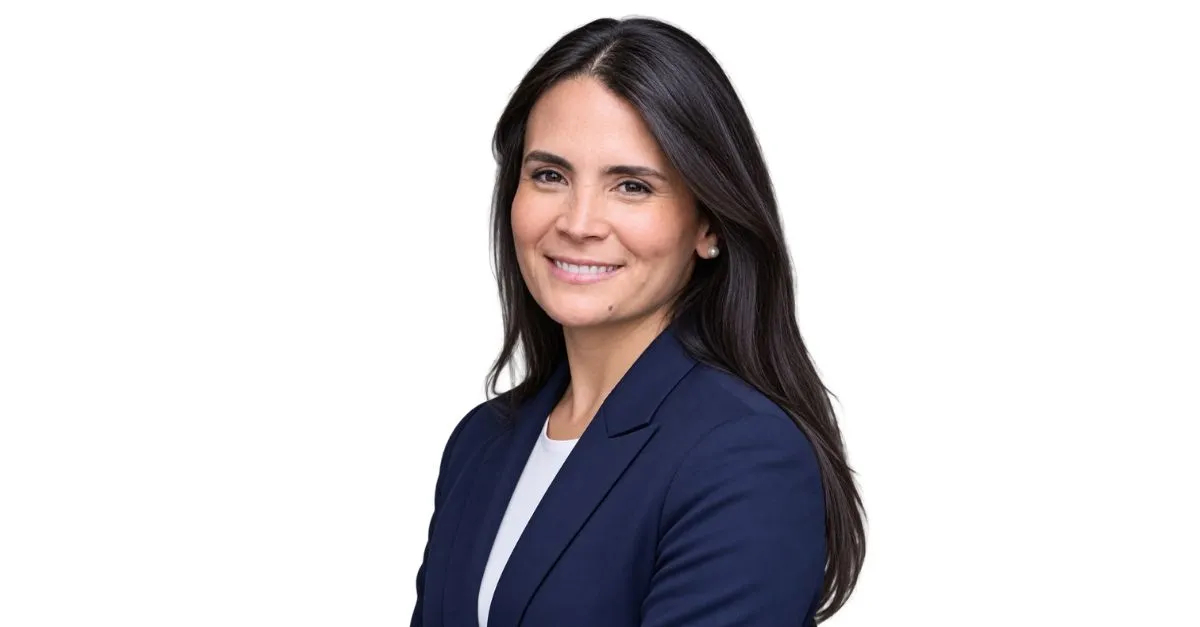
Lauren Riley, Chief Sustainability Officer at United Airlines, admits that aviation is hard to abate. It means ‘we don’t have the solutions at scale commercially available to make a difference right now.’ But that doesn’t mean the situation is hopeless – anything but, in fact. For Lauren, the appeal of a sustainability role in her sector comes down to there being ‘no shortage of solutions,’ in contrast to other hard-to-abate industries, ‘so it’s multi-functional, really dynamic [...] opportunity is everywhere.’ There is plenty of work to do – but Lauren is more than up for the challenge. ‘I’m in a space where I believe I can drive change and I’m proud of that.’
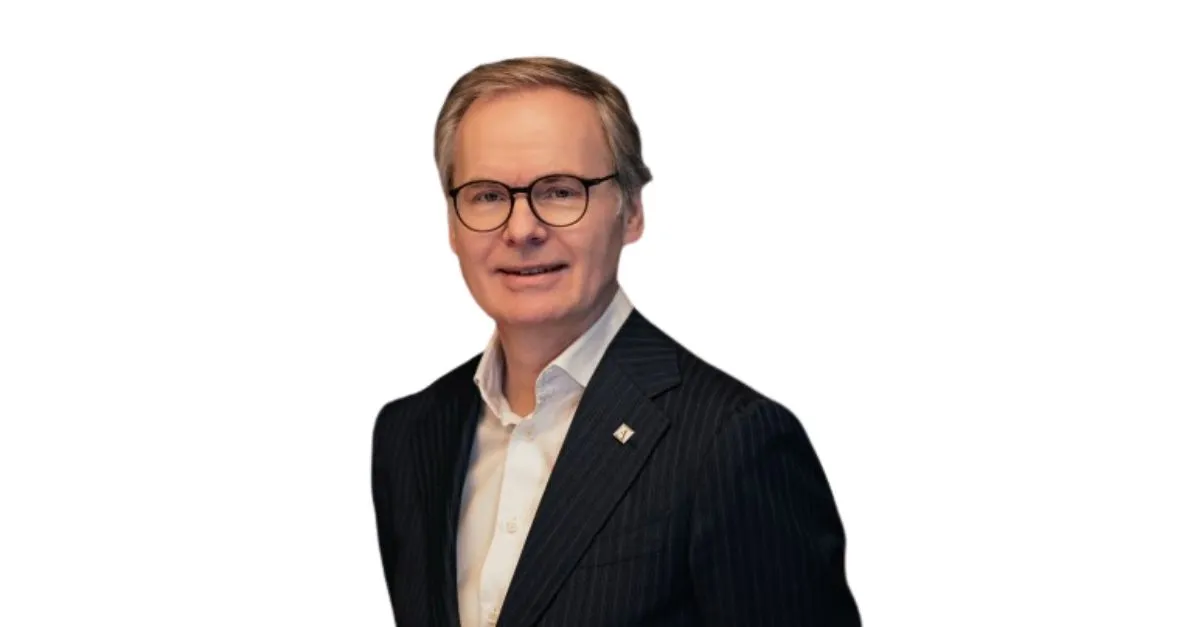
Gov Kandola, who leads our Transport & Logistics practice, spoke to Lauren Riley on this episode of the Venari Podcast’s Sustainability Series. But what did we learn from their conversation about sustainable travel?
Net zero by 2050 is an ambitious goal for which many companies in the aviation industry have signed up. However, did you know that United was the first carrier to commit to the initiative without relying on traditional carbon offsets, like planting trees or voluntary offsets?
Lauren notes that it was a decision based on principle. ‘It wasn’t simply transacting and funding what could be good projects outside our supply chain, but we just have so much work to do within our operations that we didn’t want to be distracted,’ she notes. ‘It was really a statement on focus, our statement on where we’re going to drive change, and that’s really around the emissions from flight.’
Unsurprisingly, 98% of United’s greenhouse gas emissions come from jet fuel, so it makes sense that this is the primary area of focus for their efforts. While sustainable aviation fuel (SAF) is frequently held up as a solution, unfortunately global production is nowhere near enough at present for it to viably replace jet fuel. As such, it’s much more expensive than traditional jet fuel – at least 2-4 times more so, ‘and that’s just a U.S. perspective,’ Lauren explains. ‘Overseas it’s a lot more, and we need to figure out how to pay for it.’
Thankfully, United are working on a number of ways to make SAF more affordable. ‘A couple of years ago, we introduced the Eco-Skies Alliance,’ Lauren says. ‘That’s a partnership with our corporate customers to help fund that premium’ between green and conventional jet fuels. A number of corporate companies, including shippers, for example, have been following this development with interest ‘because they actually want to travel or ship their goods low-carbon on United flights. So, it’s a win-win.’ Managing Scope 1 emissions is increasingly important for organisations looking to get serious about net zero – as is sending what Lauren calls ‘demand signals’ for change.
The airline’s good work doesn’t stop with the Eco-Skies Alliance. Last year, they established the Sustainable Flight Fund, a venture capacity for boosting SAF production. ‘We have 14 investors that have joined United to invest in early-stage startup companies that look at either producing SAF or the technologies that enable it,’ Lauren says. ‘We have over $200 million going to these promising companies that are just a couple of years from commercial production. So that’s super exciting.’
While we want to see this figure increase exponentially, we welcome all steps in the right direction. Not least because...
...the airline consumed seven million gallons last year – ‘a significant portion of the pie,’ as Lauren puts it. But for a disruption in production, it would have been more, too.
While Joe Biden’s Inflation Reduction Act has given clean energy a boost, change can be slow in coming. Nonetheless, Lauren is encouraged. ‘If anything, the last two years have really shown people the importance of environmental policy [...] I think there’s a lot of bipartisan support. So, I am optimistic that we’ll get some meaningful policy here soon.’
In fact, it can’t come soon enough...
...when the percentage of green fuel is so low. Lauren admits that it’s predominantly a supply issue; greater production would of course mean an according reduction in cost. ‘That’s why I talk about investment [...] it’s really all about scale at the end of the day.’
To make sure the industry can ramp up SAF production, it must harness sources you wouldn’t necessarily have thought about in the first instance. Lauren cites the need for ‘companies that can take agricultural waste, forestry waste, municipal solid waste, and convert that into a drop-in jet fuel.’
While developing electric flight on a meaningful scale is an even longer-term project than SAF rollout, Lauren nonetheless believes it to be ‘a really promising’ solution. The past few years have certainly seen some fascinating developments for battery-powered air travel – we can’t wait to see what happens next, at United and beyond!
Many thanks to Lauren for sharing such fascinating insights with us!


- The Venari Podcast
- Executive Search
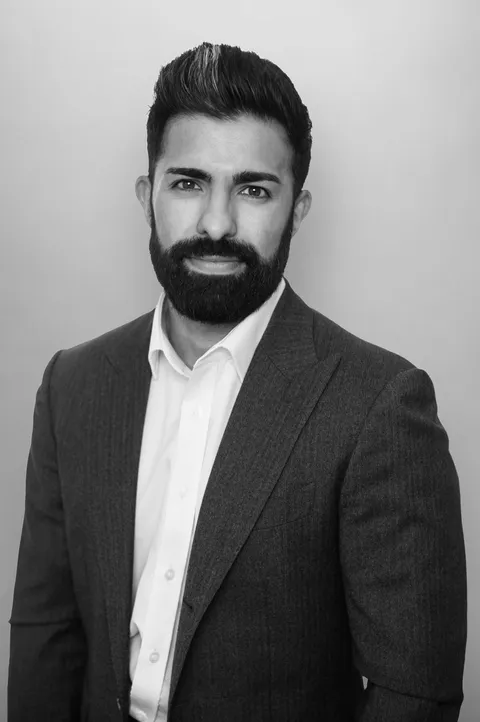
Gov joined Venari Partners in 2020 and leads the firm's Transportation & Logistics practice. He specialises in executive search and leadership advisory across transportation, logistics, supply chain, freight, infrastructure, cold chain and time-critical solutions. Working with corporates, private equity investors and high-growth businesses globally, he advises on senior leadership appointments across commercial, operational, strategy, finance, digital, technology and transformation functions. With an established reputation across the sector, Gov has partnered with many of the leading organisations in transportation and logistics, including rail and logistics providers, supply chain businesses, infrastructure owners and cold chain specialists. His experience extends beyond executive search, supporting clients with talent mapping, compensation benchmarking, leadership assessment, succession planning, diversity-focused talent strategies and interim leadership solutions. Passionate about the role of leadership in shaping the future of the industry, Gov takes a considered approach to helping organisations attract and retain the talent needed to navigate growth, transformation and changing market demands. His extensive sector knowledge and global network enable him to provide clients with valuable insight into the wider talent market.
View Full Profile