Tiffany Olson's Remarkable Radiopharma Career

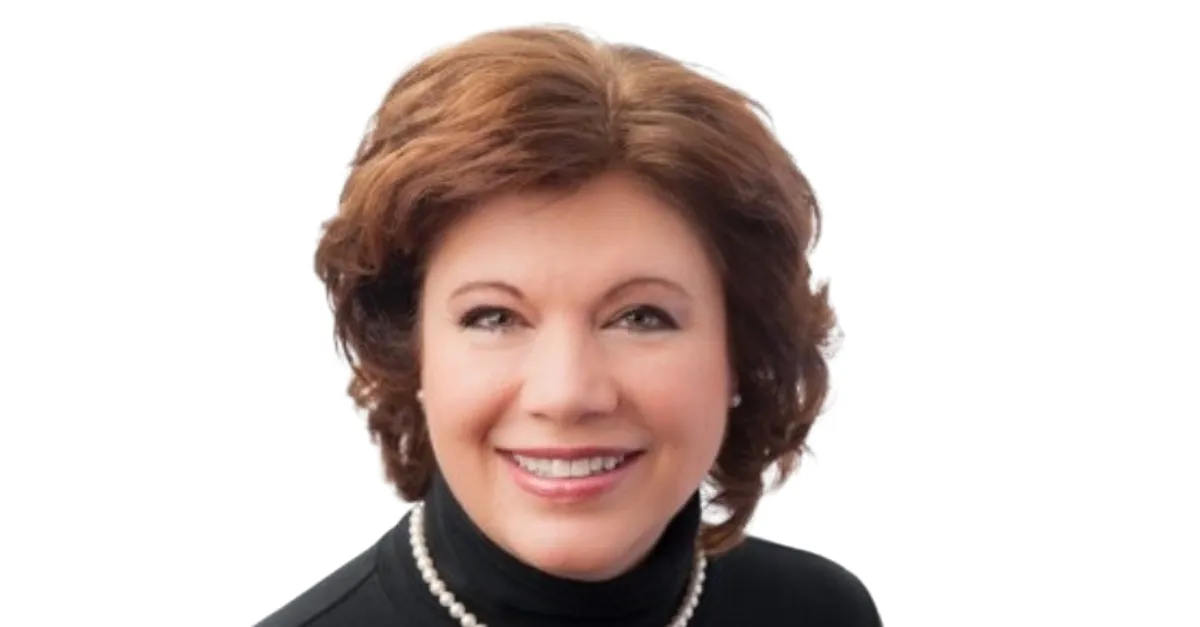
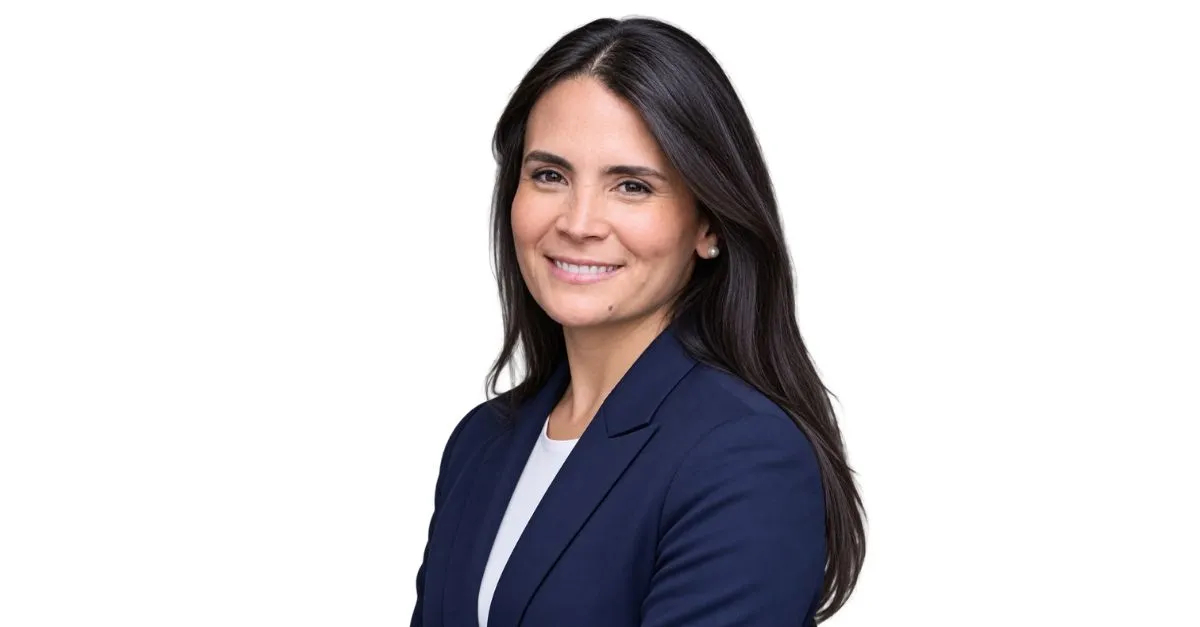
It’s fair to say that Tiffany Olson has always kept herself busy. ‘When other girls were playing Barbie, I played store and I was making a profit at five years old,’ she notes. Tiffany took her entrepreneurial spirit and drive to the pharmaceutical industry, where an early taste of working life was enough to give her the bug: ‘Once I saw and experienced that patient impact, I was hooked on this industry. And I’ve stayed in it my entire career.’
Tiffany told Matt Palmer, Senior Oncology Consultant for our Life Sciences team, all about her career on this episode of the Venari Podcast’s Talking Radiopharma series. Read on for more insights on the nuclear medicine landscape!
Tiffany’s first job after university was with Wallace Laboratories, of Carter’s Little Liver Pillfame. She had a long further spell at Roche Diagnostics, including a stint as CEO and President of the company’s North American division, before working with Eli Lilly on diagnostics strategy. Tiffany was then President of Cardinal Health’s Nuclear & Precision Health Solutions for around a decade, ‘and really got an opportunity to not only witness but be a part of this incredible growth in radiopharmaceuticals.’ Having since retired from Cardinal, she still sits on their board to advise on radiopharmaceuticals. She manages to fit this alongside other board positions at Telix, the Education and Research Foundation for Nuclear Medicine and Molecular Imaging, Castle Biosciences, and Langham Logistics – not to mention her commitments with speaking engagements and consulting. (We told you she keeps busy!)
Having accrued so much experience in pharma and diagnostics, Tiffany certainly knows what constitutes building out a radiopharmaceutical company vs. traditional pharma. The obvious differences, she says are the regulators. ‘Each one has their own rules and regulations.’ This extends to government regulation too, especially in diagnostics, ‘because even if it’s a diagnostic or a therapeutic, it’s still being injected. So, everything we do isin vivo versus in vitro, and those type of regulations need to be understood.’
However, Tiffany is at pains to note that the truly significant differences are in the supply chain – ‘from the very start of that raw material, specifically isotope, to when it gets injected in the patient.’ The principal explanations for this divergence are in isotopes, which are usually made in reactors, accelerators, and cyclotrons with very rare starting materials; and the half-life of radiopharmaceuticals. ‘You can’t stockpile the drug,’ she explains. ‘You have to master just-in-time manufacturing and a just-in-time patient delivery [...] you can imagine the infrastructure and systems that are needed.’
Tiffany’s leadership style can be summarised in three words:
Listen-Leaders should be active listeners at every level of their organisation, as well as among peers and industry experts. However, Tiffany notes that not only must you listen for what’s being said – ‘just as importantly, you have to listen for that quiet, you have to make sure that you can really understand what’s going on in the organisation.’ Feeling out the ‘choke points’, as she calls them, means finding out directly from employees how you can improve. ‘It takes humility and some vulnerability.’
Learn-‘Learn to get dusty’, Tiffany advises – and that doesn’t mean just walking in someone else’s shoes. Walking behind someone (i.e., in their dust) will help you build your vision by finding out what is happening in the organisation.
Lead-Let your listening and learning inform your ability to be a visionary leader, Tiffany says. This entails seeing beyond your present circumstances as well as inspiring ‘others to join you in making that a reality. Your messaging needs to be compelling and well communicated – ‘and then,’ Tiffany says, ‘you have to roll up your sleeves and go make it happen.’
If Tiffany were to start her own radiopharma business tomorrow, there are four areas she would focus on. ‘First and foremost, it would be the patient, and I would want to make sure that we're absolutely making a difference,’ she says. ‘Because at the end of the day, that's why we're here, that's why we're in this industry.’ Separately, she would look at her talent (‘it’s not me doing this, it’s the team’); innovation (‘finding better, more accurate, and precise ways to diagnose and treat patients’); and finally, company culture. Ensuring staff feel valued and trusted is bound to make them happy – ‘and when you have happy employees, you have a great company.’
What does advice does Tiffany have for budding nuclear medicine talent, meanwhile? The number one for her is to be passionate. ‘It's a very rewarding industry, but it's not without its challenges,’ she notes. ‘And if you're passionate about what you do, it's going to make the challenges that much easier to overcome.’


- The Venari Podcast
- Executive Search
Cristian joined Venari Partners in 2019 and specialises in executive search across digital health and healthtech. He works closely with emerging and high-growth businesses across the US and Europe, helping them build leadership teams to support their growth and commercial ambitions. His sector expertise spans SaaS, digital therapeutics, AI, virtual care, real-world evidence (RWE) and healthcare IT, with a focus on senior appointments across strategy, business development, operations and commercial functions. With extensive experience supporting healthtech companies through key stages of growth, Cristian advises on C-suite, VP and Director-level appointments, board recruitment and succession planning. He also provides specialist support with US go-to-market expansion for European businesses, alongside interim solutions, market mapping, compensation benchmarking and leadership and organisational assessments. Combining deep sector knowledge with an understanding of the challenges facing growing healthtech businesses, Cristian brings a considered approach to identifying leadership talent and supporting organisations through critical stages of development.
View Full Profile